
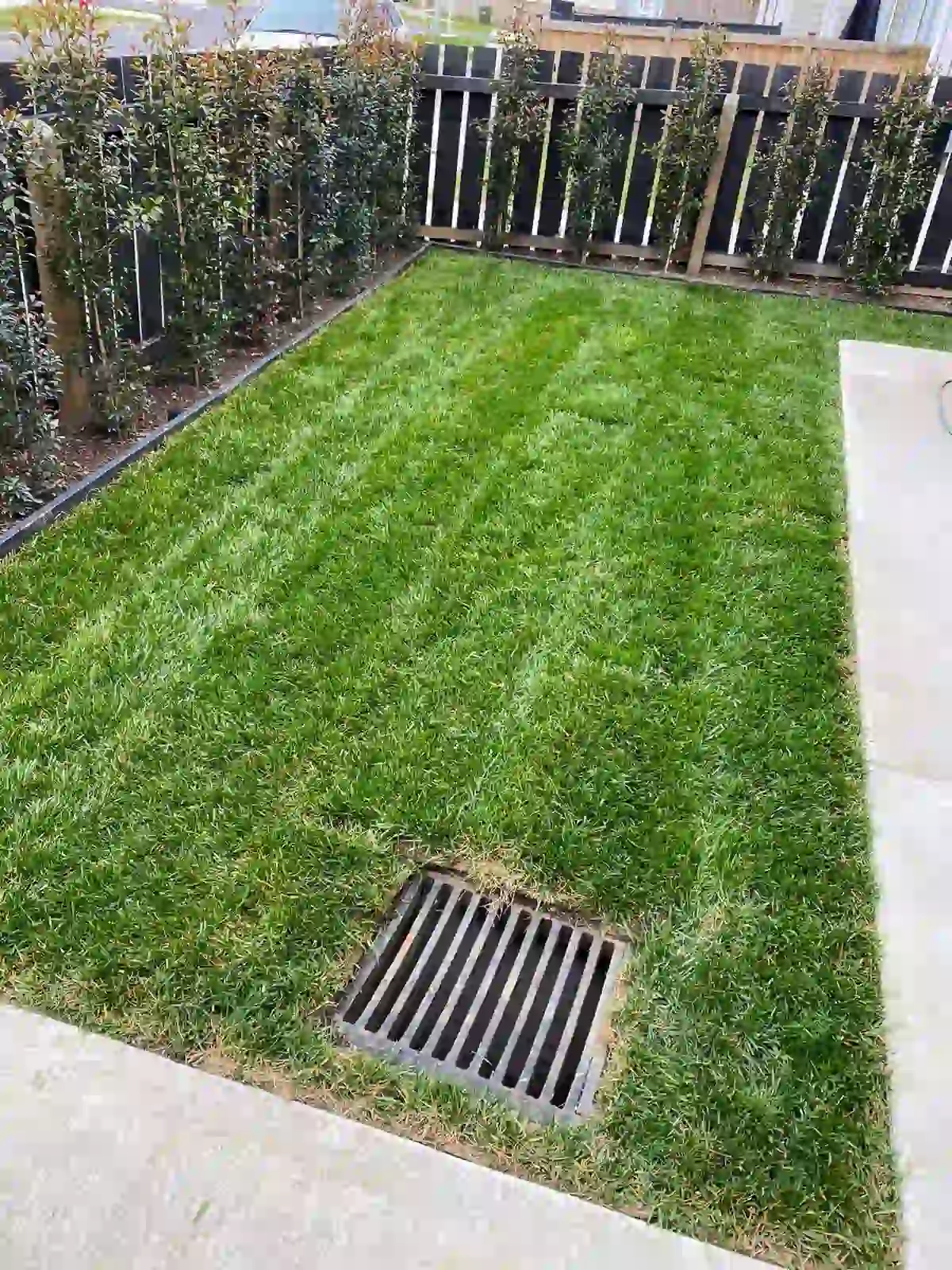
Using Hardscaping Elements to Enhance Modern Garden Designs

Hardscaping can completely change the feel of a garden. With the right touches—like stone paths, patios, or retaining walls—you can turn a plain yard into a space that’s not only beautiful but also incredibly useful and welcoming. If you are exploring garden design in Papakura and the surrounding areas, incorporating materials like stone, wood, and concrete can give your outdoor space a contemporary edge.

Pathways and Patios for Structure and Flow

One of the simplest ways to introduce hardscaping is through pathways and patios. Stone or paver pathways not only guide visitors but also create a sense of structure. Patios extend living spaces outdoors, offering areas for seating, dining, or relaxing. Using a variety of textures and patterns can bring life and personality to an outdoor space, making it feel more engaging and thoughtfully designed. It keeps things interesting and stylish without losing that clean, modern vibe.

Retaining Walls and Raised Beds for Style and Function

Retaining walls and raised beds can completely change the feel of a garden by introducing height, structure, and a more defined layout that draws the eye and adds character. Stone or brick retaining walls help manage uneven terrain while creating clear zones for planting. Raised beds make gardening more accessible and can be designed in clean, geometric lines to match a modern aesthetic. This combination of practicality and style is key in contemporary garden layouts.

Water Features and Outdoor Lighting

Water features like fountains or small ponds can be a stunning addition to modern gardens. They bring a sense of calm and enhance the sensory experience. Pairing these features with subtle outdoor lighting highlights textures, shapes, and focal points after sunset. Lighting along pathways, walls, and garden edges creates a welcoming atmosphere while enhancing safety.

Seating and Outdoor Structures

Modern garden design is incomplete without areas to sit and enjoy the surroundings. Features such as benches, pergolas, or gazebos built from materials like wood, metal, or composite not only enhance the garden’s appearance but also create comfortable spots to relax and enjoy the outdoors. These elements encourage outdoor gatherings and provide shaded retreats, making the garden a true extension of your home.

Blending Nature with Hardscaping

While hardscaping defines structure, plants soften the edges. Use a mix of grasses, shrubs, and flowering plants to complement stone or wooden elements. This balance of natural and man-made elements gives a modern garden a harmonious and inviting feel. Professionals specialising in garden design in Papakura and the surrounding areas can help you choose the right materials and layout to achieve this perfect balance.

In a Nutshell

Hardscaping is more than decoration—it’s the backbone of modern garden design. From paths and patios to water features and seating areas, every element adds character and function. With the right combination, your garden becomes a living space that’s both stylish and practical, inviting you to enjoy the outdoors in a whole new way.
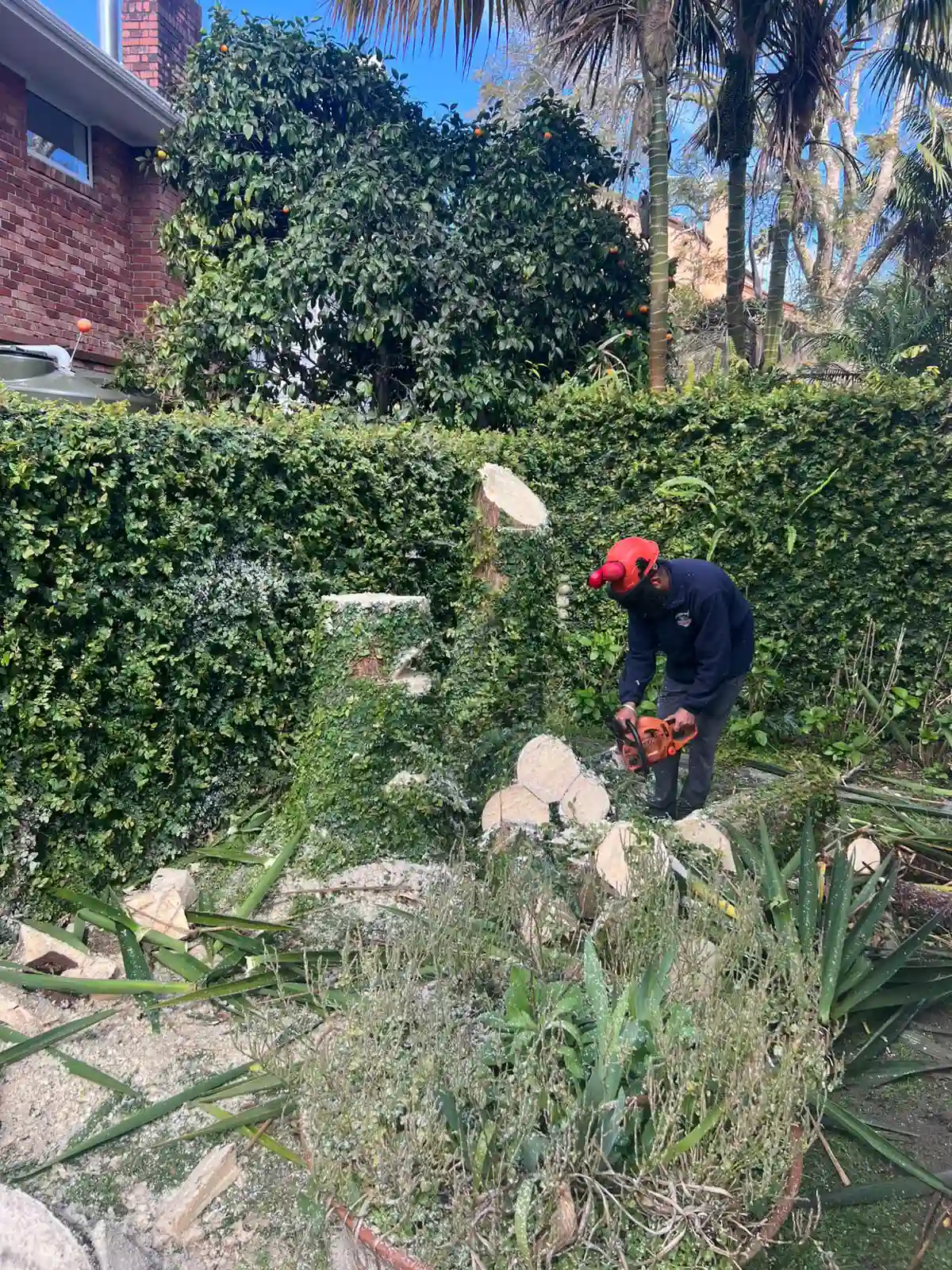
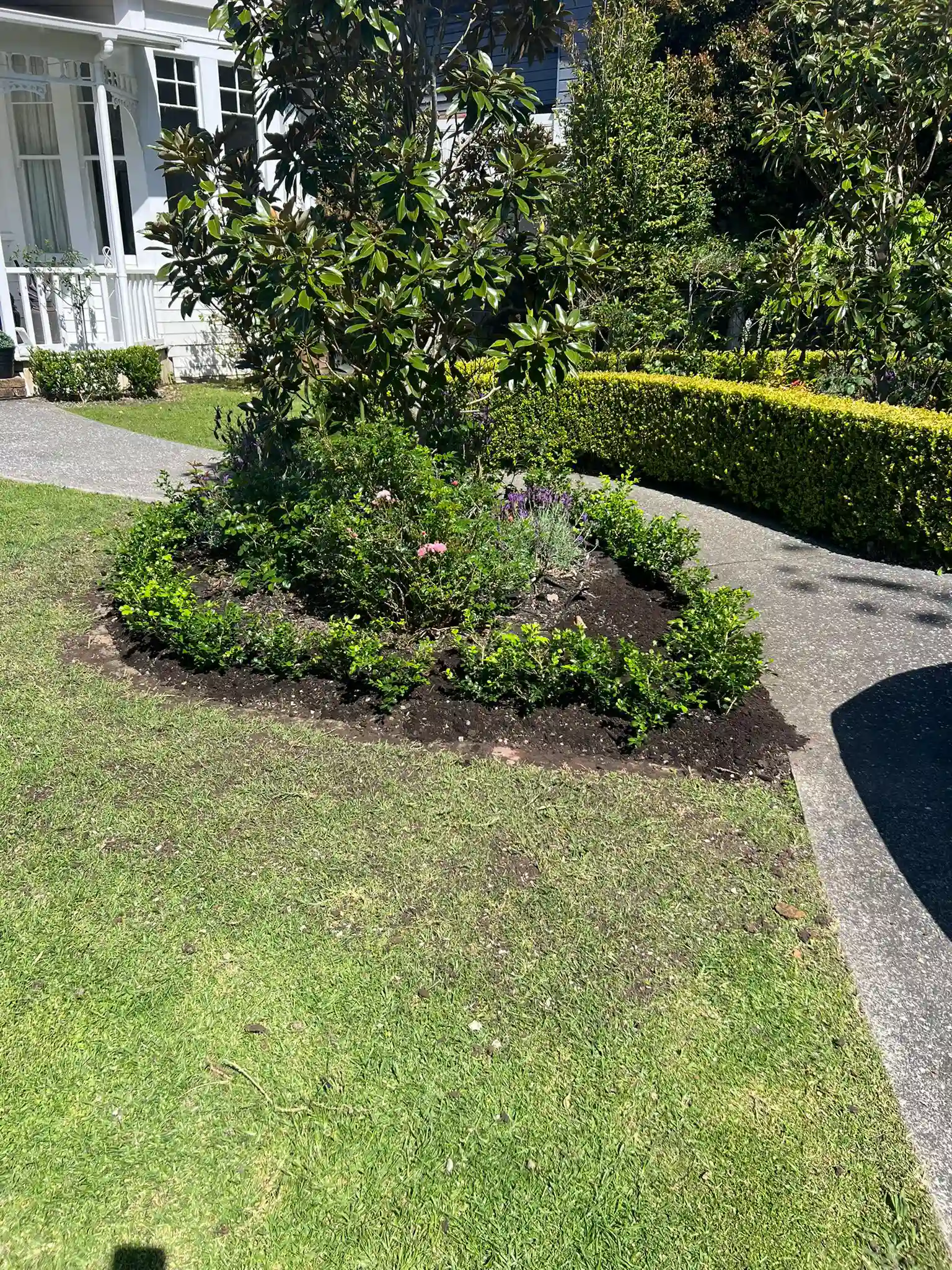
How to Maximise Sunlight and Airflow Through Smart Hedge Trimming

A carefully maintained hedge improves the look of your garden and helps your outdoor space feel more lively and open. It can also improve the sunlight and airflow in your outdoor spaces, creating a healthier environment for plants and a more comfortable garden for you. For residents seeking hedge trimming in Papakura and the surrounding areas, understanding the right techniques can make all the difference. Smart trimming not only shapes your hedges but also ensures that light and air reach every corner of your garden.

Observing Your Hedge’s Natural Growth

Before starting any trimming, observe how your hedge grows naturally. Different plants respond differently to pruning. Some hedges grow thick at the top, blocking light below, while others may be dense near the base. By studying your hedge, you can plan cuts that remove excess foliage without harming the plant’s natural form. The goal is to allow sunlight to reach the lower branches while maintaining the hedge’s overall shape.

Trim Strategically for Sunlight

Trimming for sunlight means cutting back sections that block light from reaching other plants or garden areas. Angle your cuts so the top of the hedge is slightly narrower than the base. This ‘inverted pyramid’ shape lets sunlight filter through the branches rather than being completely blocked. Regular maintenance ensures that new growth doesn’t fill in gaps too quickly, keeping your garden bright and airy.

Promote Airflow Through Pruning

Air circulation is as crucial as sunlight. Thick, dense hedges can trap moisture and invite pests or diseases. Prune selectively by removing overcrowded branches in the interior of the hedge. This not only reduces disease risk but also helps the hedge thrive by allowing air to circulate freely. Combining this with a balanced shape ensures your garden remains healthy and vibrant.

Use Proper Tools and Safety Measures

Using the right tools, like sharp shears or electric trimmers, ensures clean cuts that encourage healthy growth. Always wear protective gloves and eyewear. For larger hedges, consider professional services for hedge trimming in Papakura and the surrounding areas to ensure precise, safe results.

Some Final Thoughts

Smart hedge trimming is more than just aesthetic upkeep—it’s a way to nurture your garden. By understanding growth patterns, trimming for sunlight, and encouraging airflow, you can create a space that is brighter, healthier, and more enjoyable. Remember, a well-trimmed hedge is a quiet hero in your garden, letting both light and life flow freely.

Advanced Ride-On Mowing Patterns That Improve Grass Density and Growth

A great-looking lawn comes from more than just keeping the mower moving—it needs careful attention and smart mowing habits. For homeowners and property managers, using ride-on mowing in Papakura and the surrounding areas can significantly enhance grass density and growth when combined with smart mowing patterns. Understanding how different patterns affect turf health is key to achieving a thick, green lawn that thrives season after season.

How Mowing Patterns Boost Lawn Health and Density

Not all mowing is equal. Repeating the same straight-line path every week can cause soil compaction and uneven growth. Advanced mowing patterns help distribute wear evenly across the lawn, preventing weak patches and encouraging uniform growth. By varying the direction and layout, grass blades are exposed to sunlight more evenly, which boosts photosynthesis and overall health.

Alternating Directions for Uniform Growth

One effective technique is alternating mowing directions with each session. For instance, if you mow one week in a north-south direction, the following week you should mow east-west. This simple adjustment reduces the formation of ruts and compaction lines while promoting thicker growth. Ride-on mowers make this process easier, allowing operators to cover larger areas efficiently without missing sections of the lawn.

Spiral and Circular Patterns for Problem Areas

Certain areas, like around flowerbeds or trees, benefit from spiral or circular mowing patterns. These methods reduce scalping near edges and ensure grass around obstacles receives equal trimming. Spirals also allow the mower to gradually transition from the centre outwards, creating a naturally even cut that supports dense regrowth in high-traffic zones.

Overlap and Edge Focus

Another advanced approach involves slight overlapping of each pass. Overlaps help catch missed blades and smoothen the lawn’s surface. Paying special attention to edges also prevents thinning at boundaries, which often occurs when mowers skip these areas. Ride-on mowing in Papakura and the surrounding areas using these precision techniques ensures every part of the lawn remains healthy and strong.

Seasonal Adjustments

Grass growth varies throughout the year. During fast-growing seasons, mowing patterns should change more frequently to avoid stress. In slower growth periods, a steady, consistent pattern works best. Adjusting the pattern according to seasonal growth ensures grass receives the right amount of care all year round.

To Sum Up

Choosing advanced mowing patterns is not just about aesthetics—it’s about creating a foundation for stronger, denser grass. With careful ride-on mowing techniques, even big lawns can flourish stress-free. Next time you mow, consider switching patterns; your lawn will thank you with vibrant, resilient growth that’s impossible to ignore.

021 781 931